

HON. JUSTICE HAFSAT ABDULRAHMAN
(Chief Judge)
QUOTE
The judiciary has a role to play in the stability of this nation. Justice should not only be done but should manifestly and undoubtedly be seen to be done.
-
01 IMPARTIALITY?
Judges must be impartial and unbiased, treating all parties equally without favoritism or prejudice.
-
02 FAIRNESS AND EQUITY?
The judicial process must be fair, ensuring that everyone has equal access to justice and that laws are applied consistently.
-
03 TRANSPARENCY?
Judicial processes and decisions should be transparent to maintain public confidence and accountability.
About
About Us
The Adamawa State Judiciary was established in 1976 since the then Gongola State with a pioneer Chief Judge Hon. Justice Mohammadu Buba Ardo from 1976 to October 1991 with only one Judicial division, one Magisterial District and two Upper Area Court Judgers: with the demise of the pioneer Chief Judge and the creation of Adamawa state from the defunct Gongola state in 1991.
- The judiciary aims to uphold the rule of law, protect rights, ensure access to justice, and promote fairness.
- The judiciary's objective is to uphold the rule of law, protect individual rights, ensure access to justice, and promote fairness.
- The judiciary's function is to interpret laws, ensure fair dispute resolution, protect rights, and uphold the rule of law.
Hon. Justice Bemare S. Bansi was appointed from 1991 to 20 11 followed by Hon. Justice I.K Banu from 2014 to 2021 and final v Hon. Justice Nathan Musa from 2021 to 2022 and Hon. Justice Hafsat Abdulrahman from 2022 to date.
HON. ABUBAKAR MUHAMMED
(Chief Registrar)
WHY US?
The judiciary stands as the guardian of our liberties, ensuring justice under the Constitution. It upholds the rule of law, protecting both our rights and our property.
-
01 JUDICIAL MOTTO?
Equality before the law, our guiding principle. Fairness and impartiality, our unwavering commitment. Upholding justice, the cornerstone of our duty. Safeguarding rights, our solemn vow to society. With diligence and integrity, we dispense justice. In the scales of justice, we weigh each case impartially. Bound by law, we serve with honor and integrity. In the judiciary, trust and transparency reign supreme.
-
02 JUDICIAL MISSION?
Our mission: to uphold justice, safeguard rights, and ensure fairness for all. Administering the law impartially, we resolve disputes with integrity. Preserving the rule of law, we protect the rights and liberties of every individual. Our commitment to timely and equitable justice guides our actions. Building trust and confidence in the judiciary, we serve society with honor. Driven by our mission, we strive for a just and equitable society.
-
03 JUDICIAL PRINCIPLES?
The judiciary operates on foundational principles of impartiality, ensuring fair treatment for all, and upholding the rule of law, where legal standards are applied uniformly to everyone. Independence is paramount, allowing judges to render decisions based solely on legal merit, free from external influence. Upholding integrity is non-negotiable, with judges adhering to the highest ethical standards, ensuring transparency and trust in the judicial process. Accountability underscores every action, with judges accepting responsibility for their decisions and subjecting themselves to scrutiny within legal frameworks. Finally, the judiciary strives to ensure universal access to justice, regardless of socio-economic status, ensuring that all individuals can seek redress and resolution within the legal system.
Services
Check our Services
Finance
Finance in court pertains to managing monetary transactions, fines, and budgets to ensure adherence to legal financial regulations, transparency, and accountability. It involves overseeing financial records, audits, and reporting to maintain efficient resource allocation within the judicial system.
Marriage
Marriage in court is a legal contract between two individuals, recognized by law, entailing rights, obligations, and protections, including property sharing, inheritance rights, and legal status as spouses.
Probate
Probate in court is the legal process of administering the estate of a deceased person, which involves validating their will, identifying and appraising assets, settling debts and taxes, and distributing remaining property to beneficiaries according to the terms of the will or laws of intestacy.
Procurement
Procurement in court involves acquiring necessary goods, services, or works while adhering to legal and regulatory standards, ensuring transparency, efficiency, and accountability in the acquisition process.
Litigation
Litigation entails the process of resolving disputes through the court system, involving legal proceedings, hearings, and trials to determine rights and liabilities between parties, with the aim of achieving a fair and just resolution according to applicable laws and legal principles.
Training
Training involves the systematic process of imparting knowledge, skills, and competencies to individuals or groups through structured learning activities, workshops, or programs, aimed at enhancing performance, fostering professional development, and achieving organizational objectives efficiently and effectively.
Library
In court, a library serves as a resource center containing legal texts, precedents, and research materials to facilitate legal proceedings, support case preparation, and aid in legal research and analysis for judges, lawyers, and legal professionals.
Audit
Audit involves the systematic examination and evaluation of financial records, processes, and procedures to assess compliance, accuracy, and efficiency, ensuring transparency, accountability, and regulatory compliance within organizations, and providing recommendations for improvement.
Special Outies Information and Protocol
Special Outies Information and Protocol" appears to be a specific or specialized term that may not be widely recognized. Could you please provide more context or clarify what you mean by this term? That way, I can offer a more accurate explanation or assistance.
PANEL
OUR PANELS
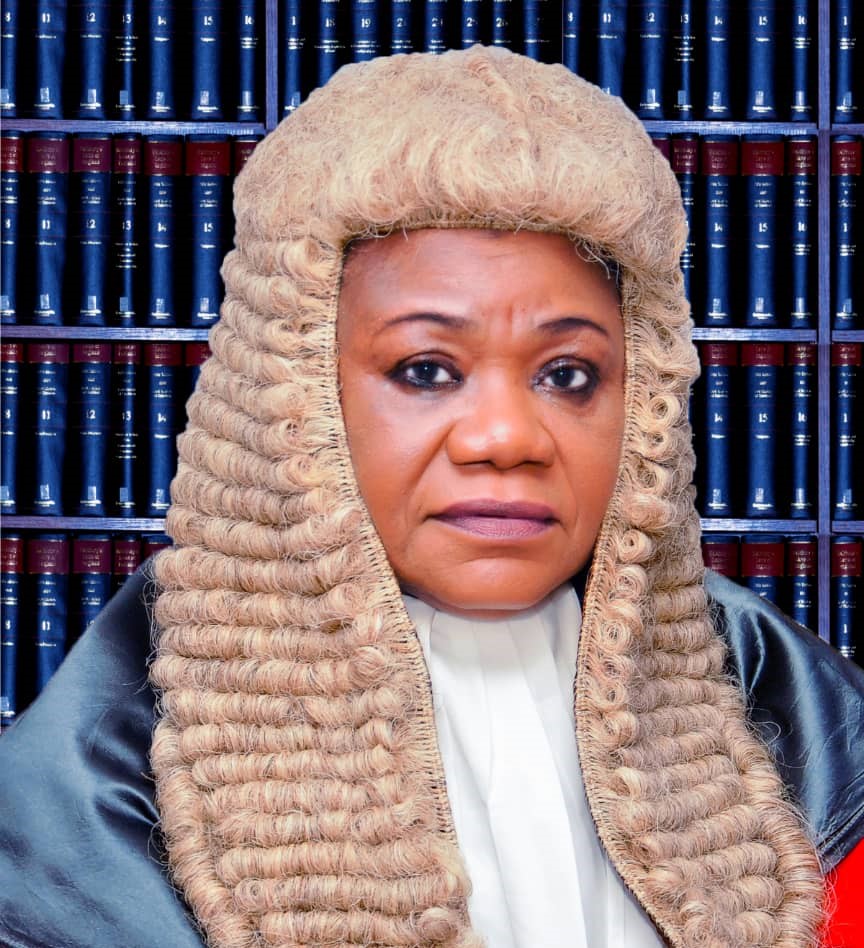
Hon. Justice Hafsat Abdulrahman
(Chief Judge)
A judge interprets and applies the law, ensuring fair treatment and due process in court proceedings. They weigh evidence, hear arguments, and render impartial decisions based on legal principles. Judges uphold the rule of law, protect individual rights, and administer justice within the legal system.
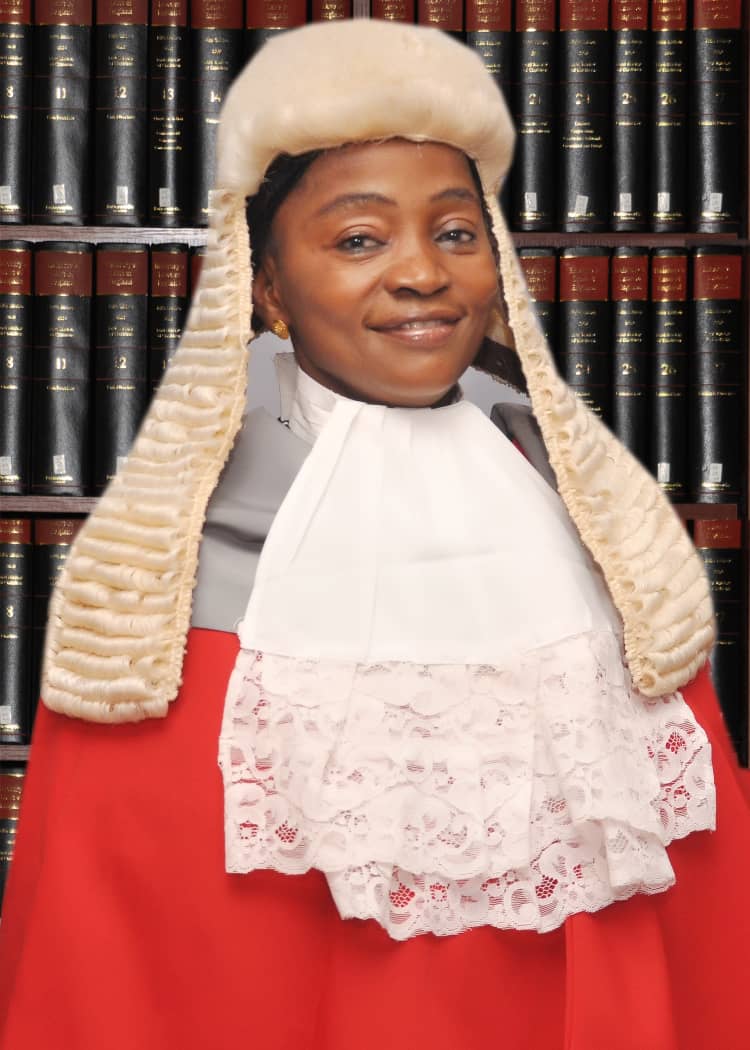
Hon. Helen Nuhu Hammanjoda
(High Court Judge)
A judge interprets and applies the law, ensuring fair treatment and due process in court proceedings. They weigh evidence, hear arguments, and render impartial decisions based on legal principles. Judges uphold the rule of law, protect individual rights, and administer justice within the legal system.

Hon. Justice Bulila Ladukiya Ikharo
(High Court Judge)
A judge interprets and applies the law, ensuring fair treatment and due process in court proceedings. They weigh evidence, hear arguments, and render impartial decisions based on legal principles. Judges uphold the rule of law, protect individual rights, and administer justice within the legal system.
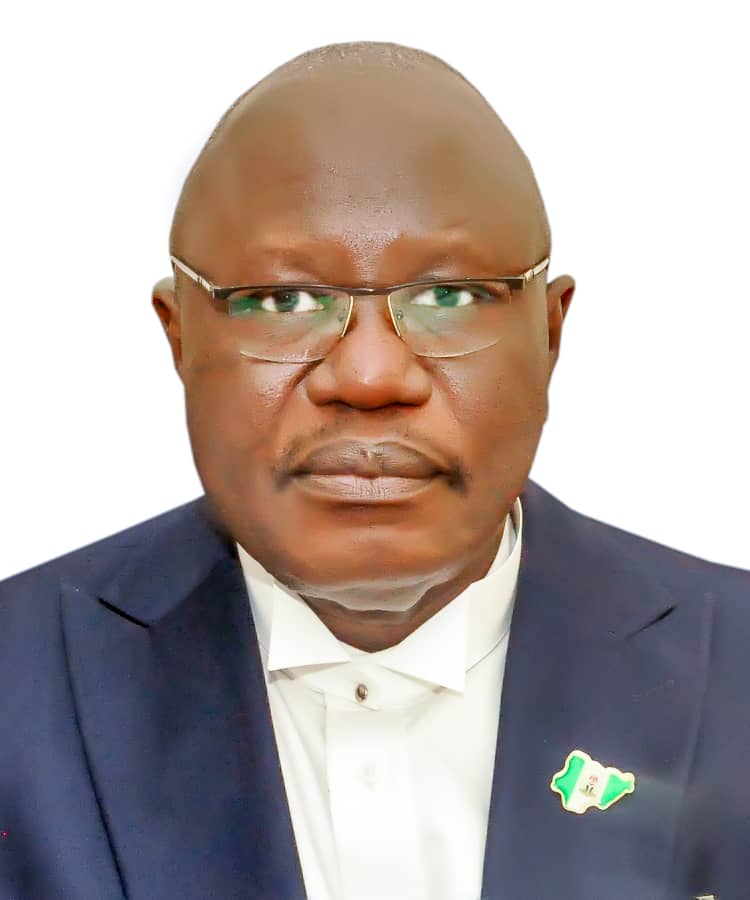
Hon. Justice Kyanson Samuel Lawason
(High Court Judge)
A judge interprets and applies the law, ensuring fair treatment and due process in court proceedings. They weigh evidence, hear arguments, and render impartial decisions based on legal principles. Judges uphold the rule of law, protect individual rights, and administer justice within the legal system.
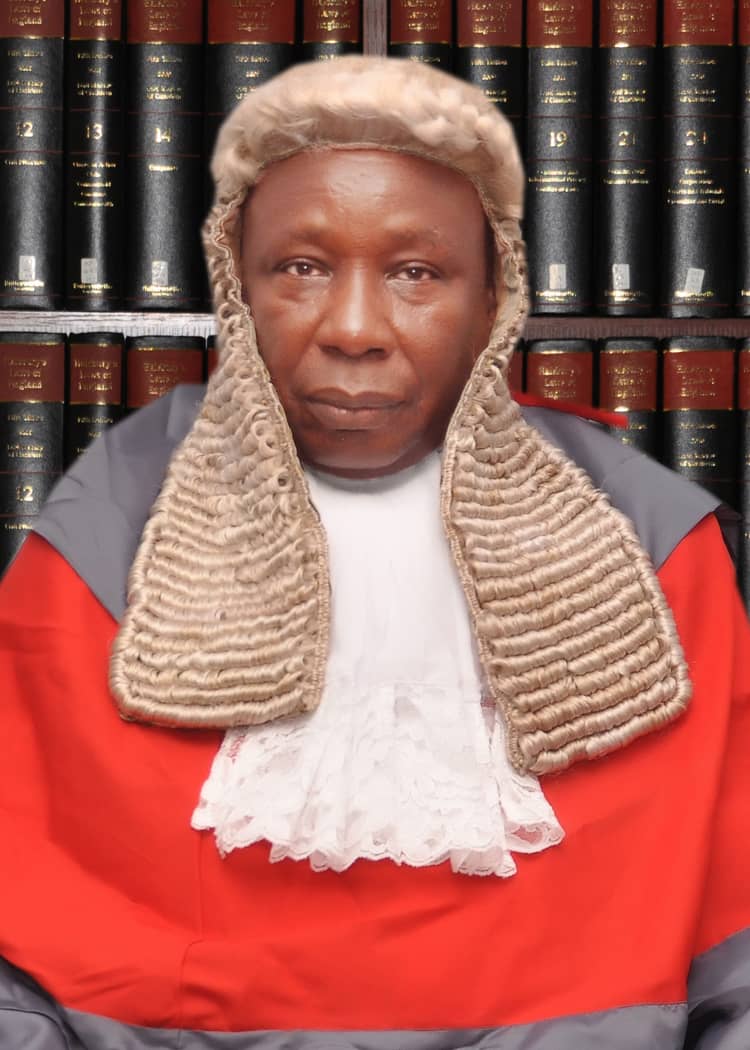
Hon. Justice Musa Usman
(High Court Judge)
A judge interprets and applies the law, ensuring fair treatment and due process in court proceedings. They weigh evidence, hear arguments, and render impartial decisions based on legal principles. Judges uphold the rule of law, protect individual rights, and administer justice within the legal system.
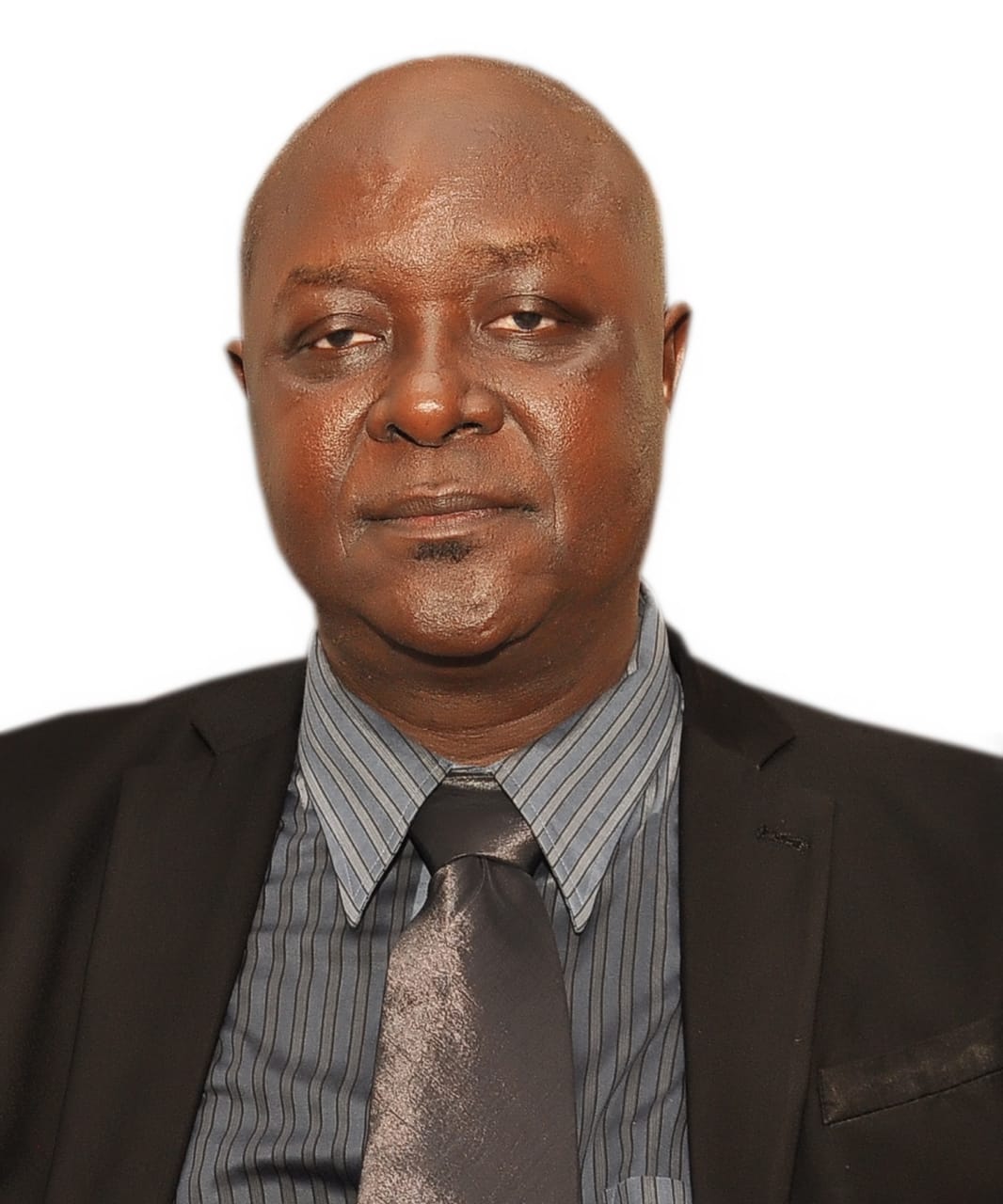
Hon. Ishaku Yakubu Haliru
(High Court Judge)
A judge interprets and applies the law, ensuring fair treatment and due process in court proceedings. They weigh evidence, hear arguments, and render impartial decisions based on legal principles. Judges uphold the rule of law, protect individual rights, and administer justice within the legal system.
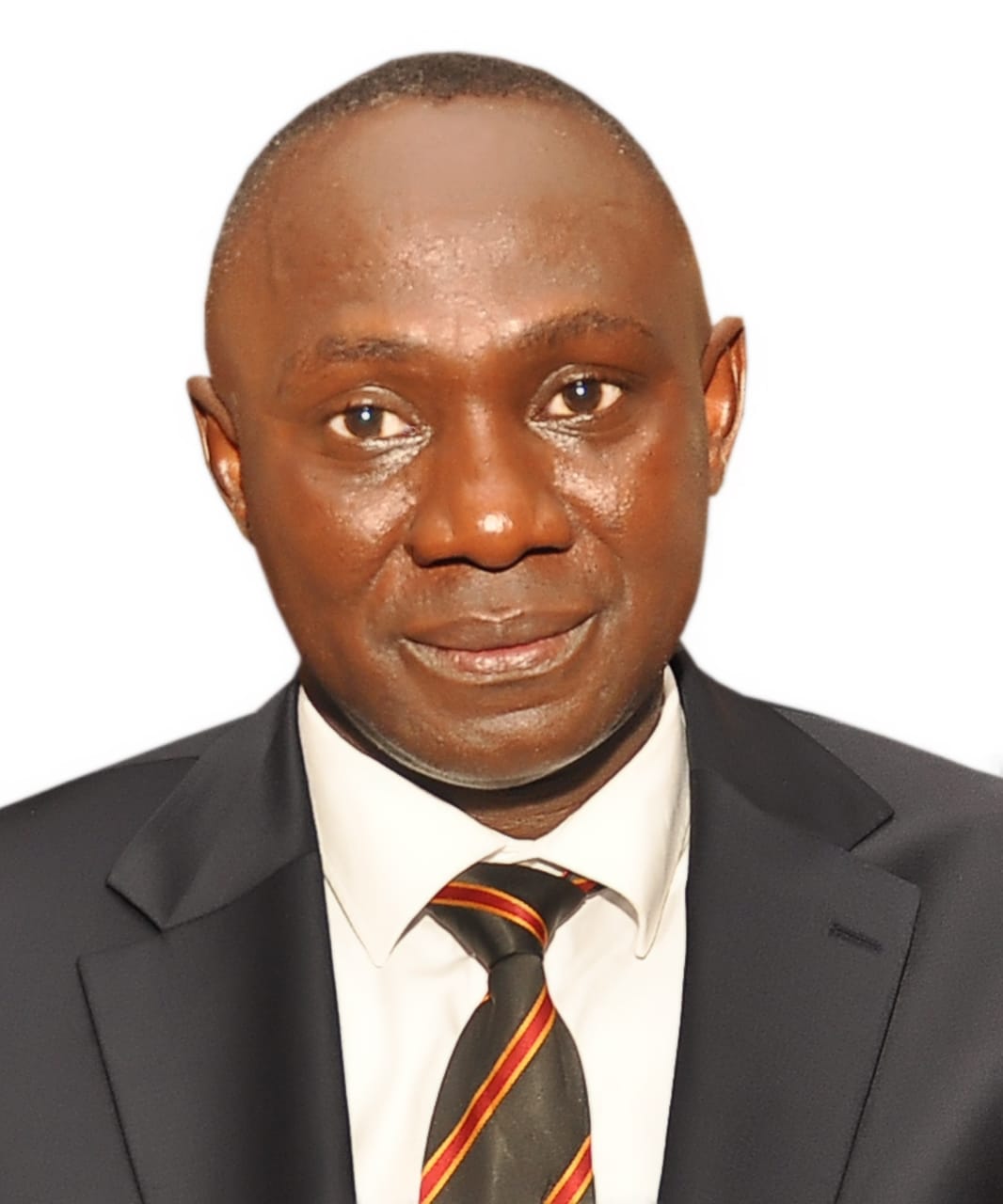
Hon. Justice Felix Daneil Dzarga
(High Court Judge)
A judge interprets and applies the law, ensuring fair treatment and due process in court proceedings. They weigh evidence, hear arguments, and render impartial decisions based on legal principles. Judges uphold the rule of law, protect individual rights, and administer justice within the legal system.
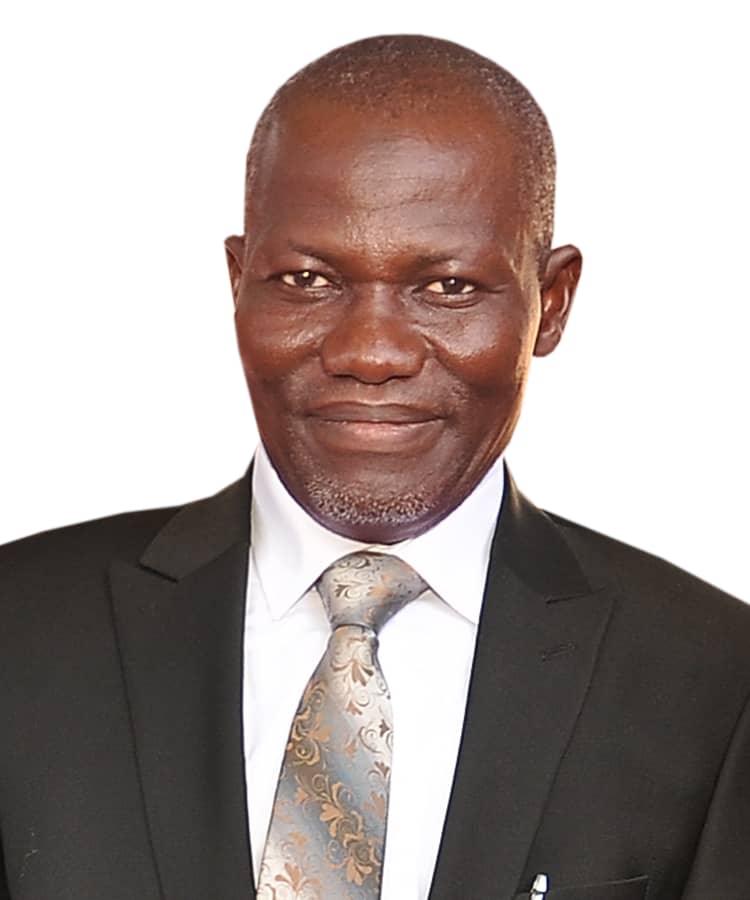
Hon. Justice Abbas Adamu Hobon
(High Court Judge)
A judge interprets and applies the law, ensuring fair treatment and due process in court proceedings. They weigh evidence, hear arguments, and render impartial decisions based on legal principles. Judges uphold the rule of law, protect individual rights, and administer justice within the legal system.
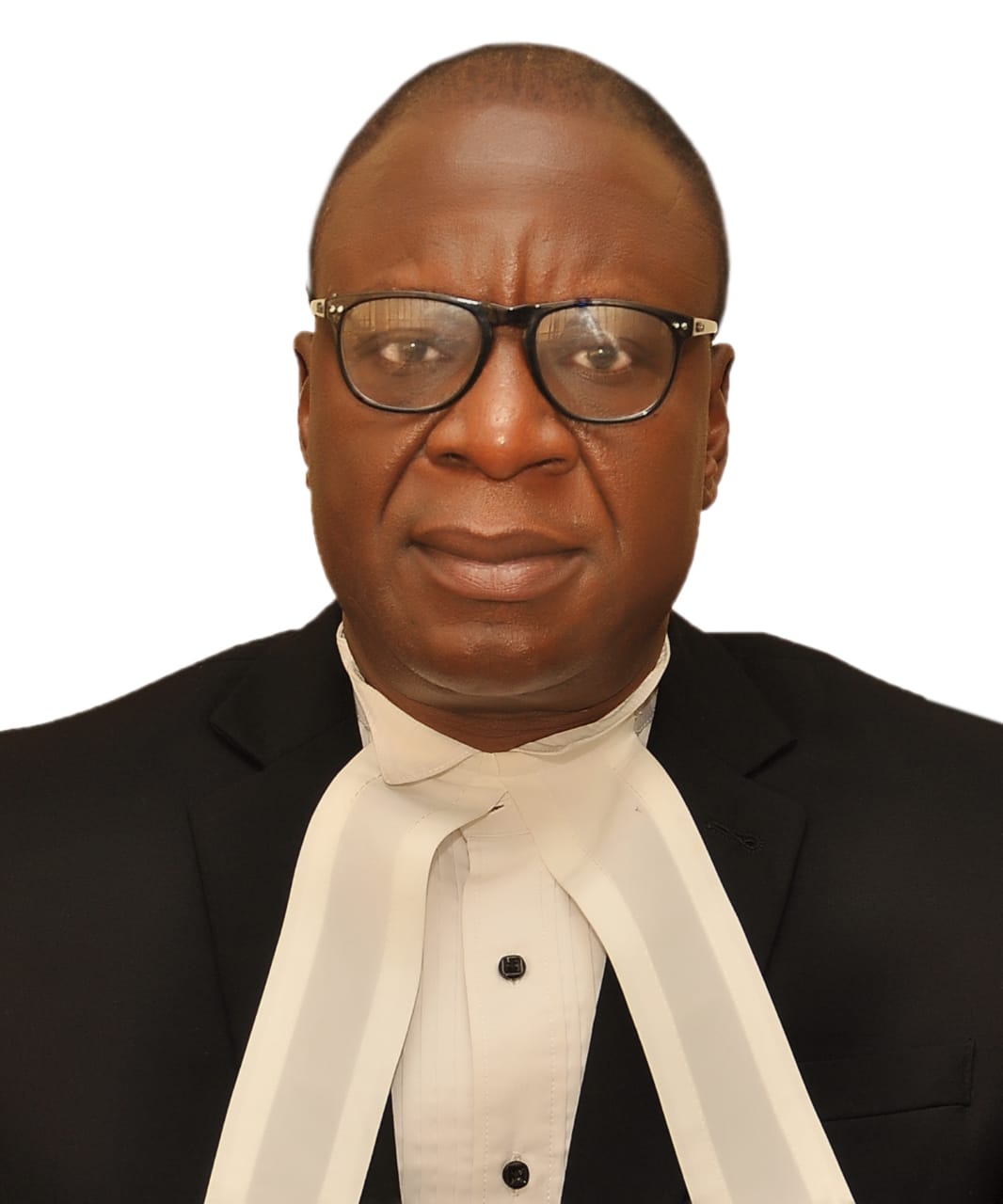
Hon. Justice Maxwell Titus Pukuma
(High Court Judge)
A judge interprets and applies the law, ensuring fair treatment and due process in court proceedings. They weigh evidence, hear arguments, and render impartial decisions based on legal principles. Judges uphold the rule of law, protect individual rights, and administer justice within the legal system.
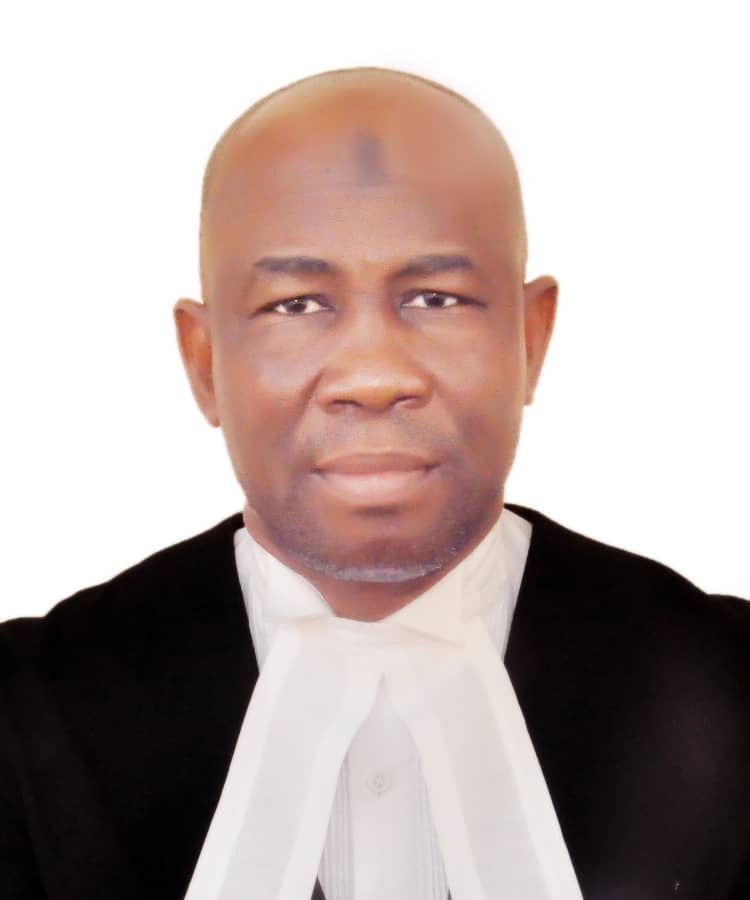
Hon. Justice Ahmed Isa
(High Court Judge)
A judge interprets and applies the law, ensuring fair treatment and due process in court proceedings. They weigh evidence, hear arguments, and render impartial decisions based on legal principles. Judges uphold the rule of law, protect individual rights, and administer justice within the legal system.
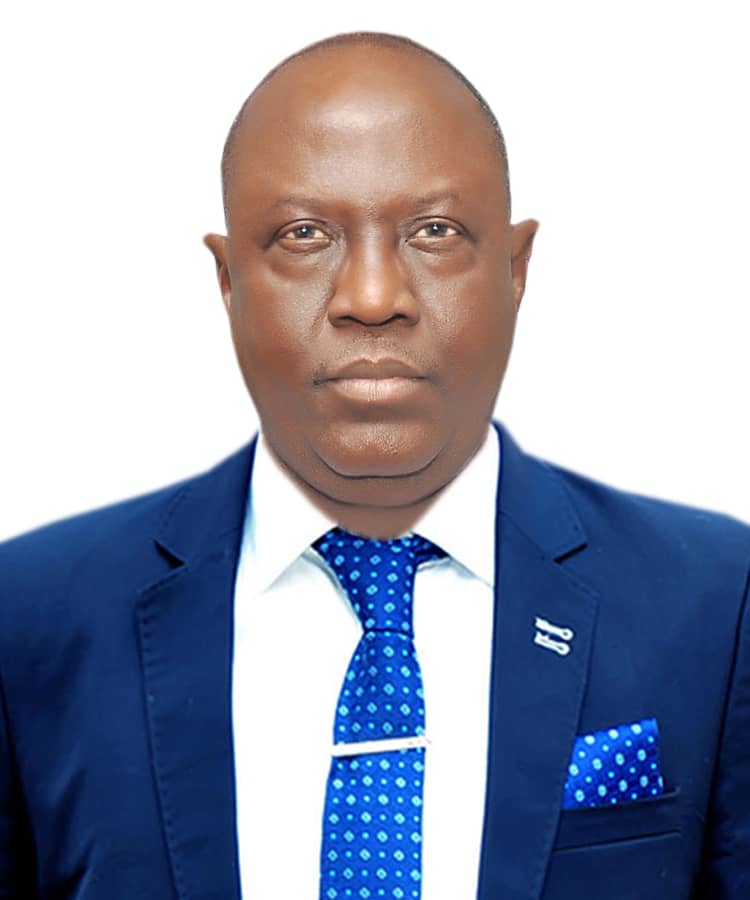
Hon. Justice Christopher Dominic Mapeo
(High Court Judge)
A judge interprets and applies the law, ensuring fair treatment and due process in court proceedings. They weigh evidence, hear arguments, and render impartial decisions based on legal principles. Judges uphold the rule of law, protect individual rights, and administer justice within the legal system.

Hon. Justice Benjamen Manji
(High Court Judge)
A judge interprets and applies the law, ensuring fair treatment and due process in court proceedings. They weigh evidence, hear arguments, and render impartial decisions based on legal principles. Judges uphold the rule of law, protect individual rights, and administer justice within the legal system.
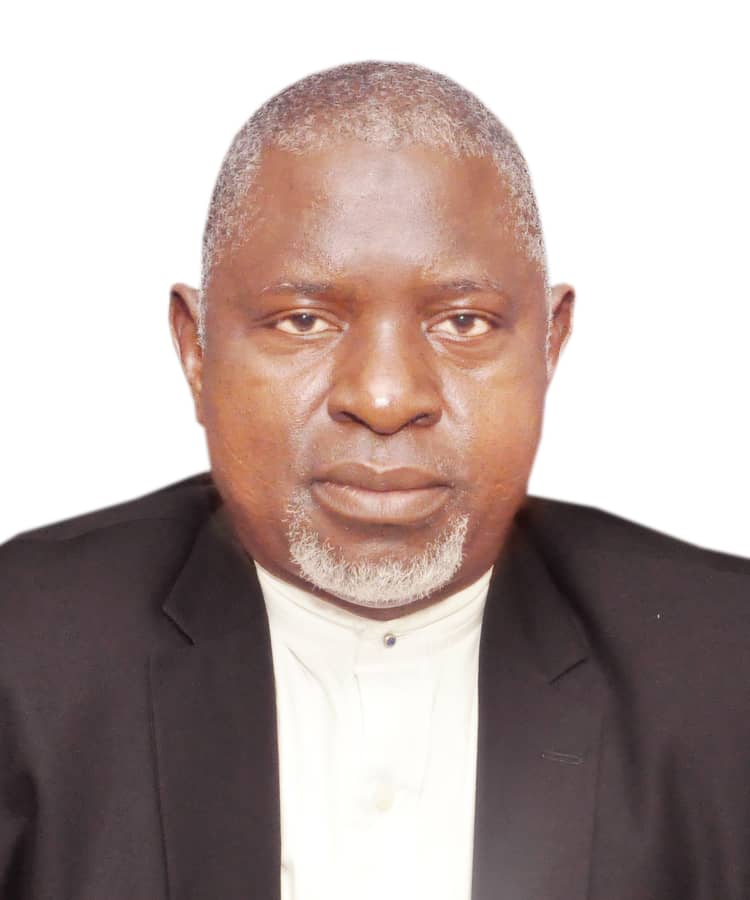
Hon. Muhammed Ibrahim Tola
(High Court Judge)
A judge interprets and applies the law, ensuring fair treatment and due process in court proceedings. They weigh evidence, hear arguments, and render impartial decisions based on legal principles. Judges uphold the rule of law, protect individual rights, and administer justice within the legal system.
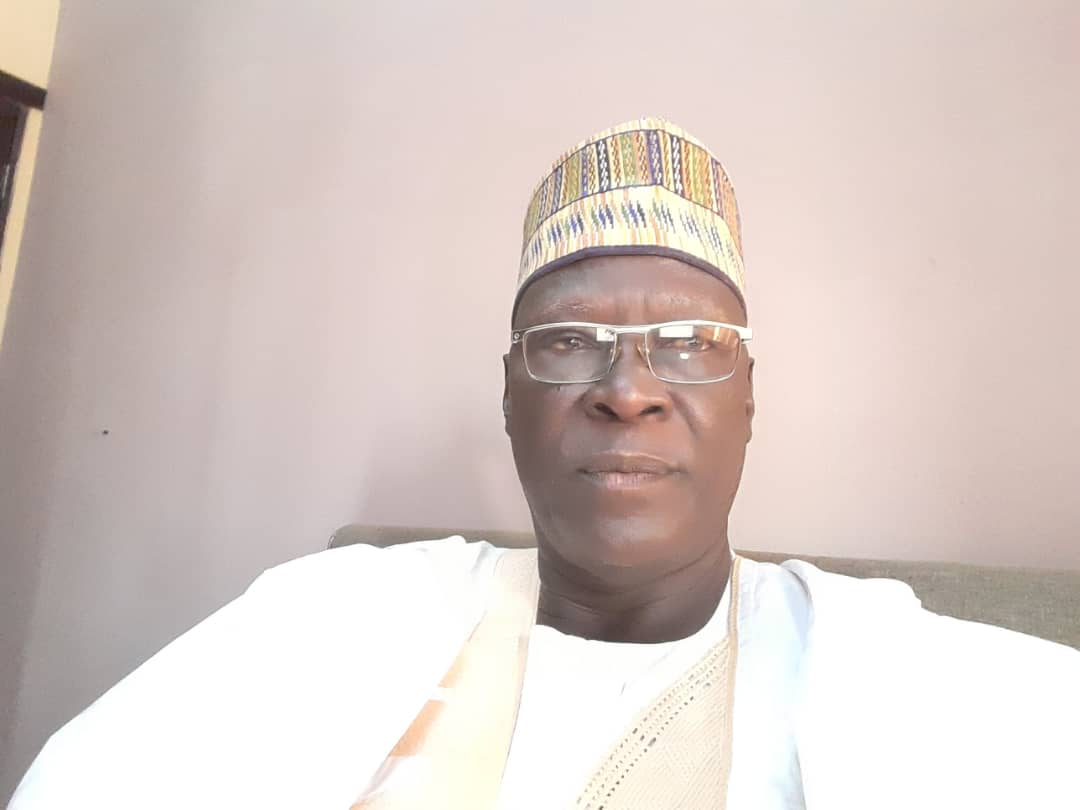
Hon. Ibrahim Wakili Sudi
(Grand Kadi Sharia Court Of Appeal)
A judge interprets and applies the law, ensuring fair treatment and due process in court proceedings. They weigh evidence, hear arguments, and render impartial decisions based on legal principles. Judges uphold the rule of law, protect individual rights, and administer justice within the legal system.
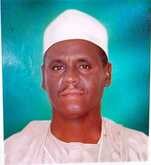
Hon. Kadi Zubairu Usman Modibbo
(Sharia Court Of Appeal Kadi)
A judge interprets and applies the law, ensuring fair treatment and due process in court proceedings. They weigh evidence, hear arguments, and render impartial decisions based on legal principles. Judges uphold the rule of law, protect individual rights, and administer justice within the legal system.
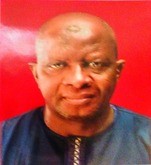
Hon. Kadi Usman Bello Umar
(Sharia Court Of Appeal Kadi)
A judge interprets and applies the law, ensuring fair treatment and due process in court proceedings. They weigh evidence, hear arguments, and render impartial decisions based on legal principles. Judges uphold the rule of law, protect individual rights, and administer justice within the legal system.

Hon. Kadi Ibrahim Barkindo
(Sharia Court Of Appeal Kadi)
A judge interprets and applies the law, ensuring fair treatment and due process in court proceedings. They weigh evidence, hear arguments, and render impartial decisions based on legal principles. Judges uphold the rule of law, protect individual rights, and administer justice within the legal system.
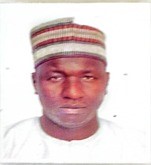
Hon, Kadi Magaji Chiroma
(Sharia Court Of Appeal Kadi)
A judge interprets and applies the law, ensuring fair treatment and due process in court proceedings. They weigh evidence, hear arguments, and render impartial decisions based on legal principles. Judges uphold the rule of law, protect individual rights, and administer justice within the legal system.
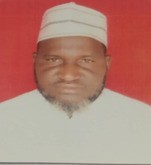
Hon. Kadi Isa Yusuf Khalid
(Sharia Court Of Appeal Kadi)
A judge interprets and applies the law, ensuring fair treatment and due process in court proceedings. They weigh evidence, hear arguments, and render impartial decisions based on legal principles. Judges uphold the rule of law, protect individual rights, and administer justice within the legal system.
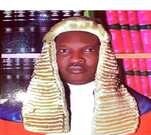
Hon. Justice Audu James Balami
(President Customary Court Of Appeal)
A judge interprets and applies the law, ensuring fair treatment and due process in court proceedings. They weigh evidence, hear arguments, and render impartial decisions based on legal principles. Judges uphold the rule of law, protect individual rights, and administer justice within the legal system.
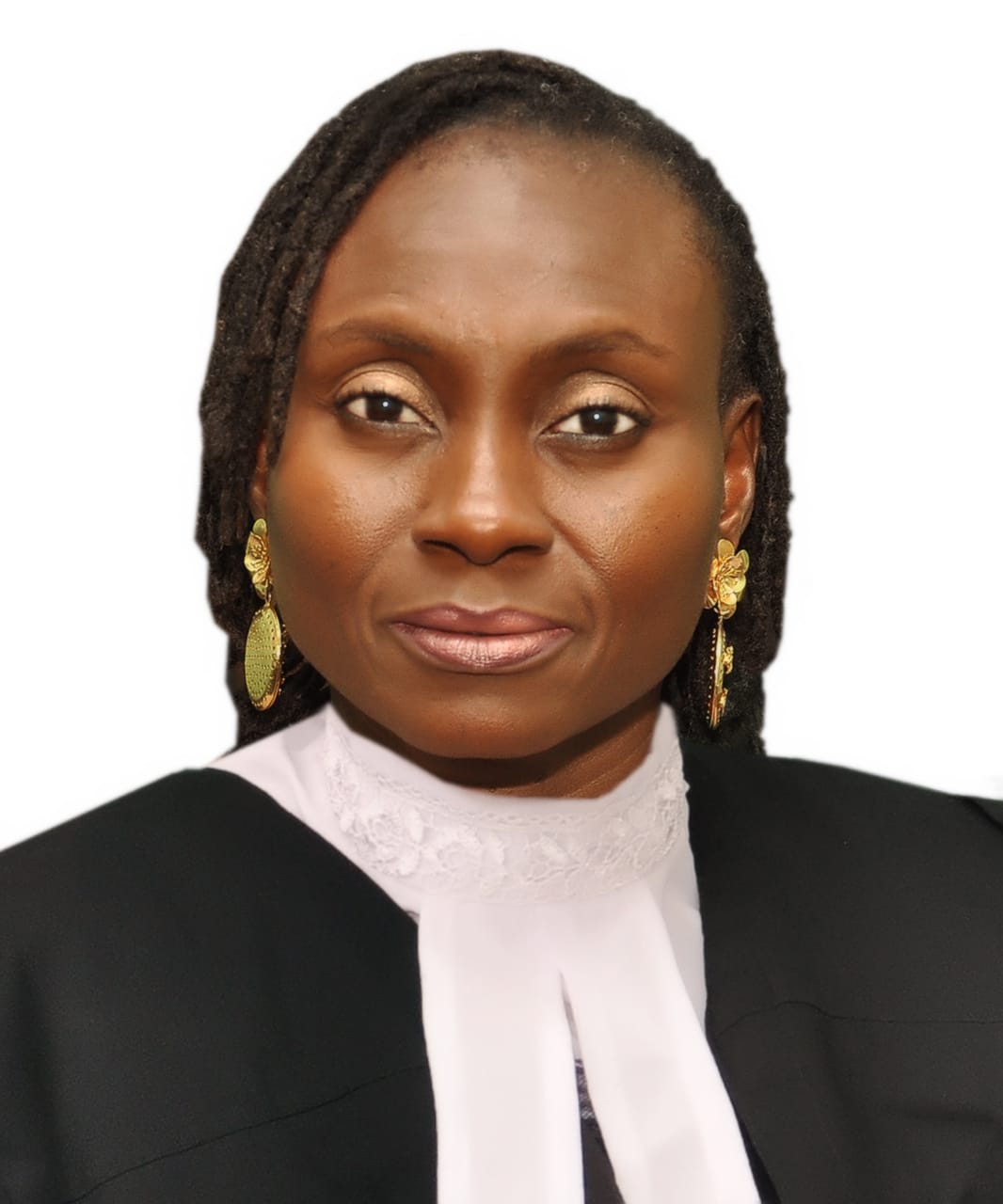
Hon. Justice Momsisuri Bemare Bansi Odo
(Customary Court Of Appeal Judge)
A judge interprets and applies the law, ensuring fair treatment and due process in court proceedings. They weigh evidence, hear arguments, and render impartial decisions based on legal principles. Judges uphold the rule of law, protect individual rights, and administer justice within the legal system.
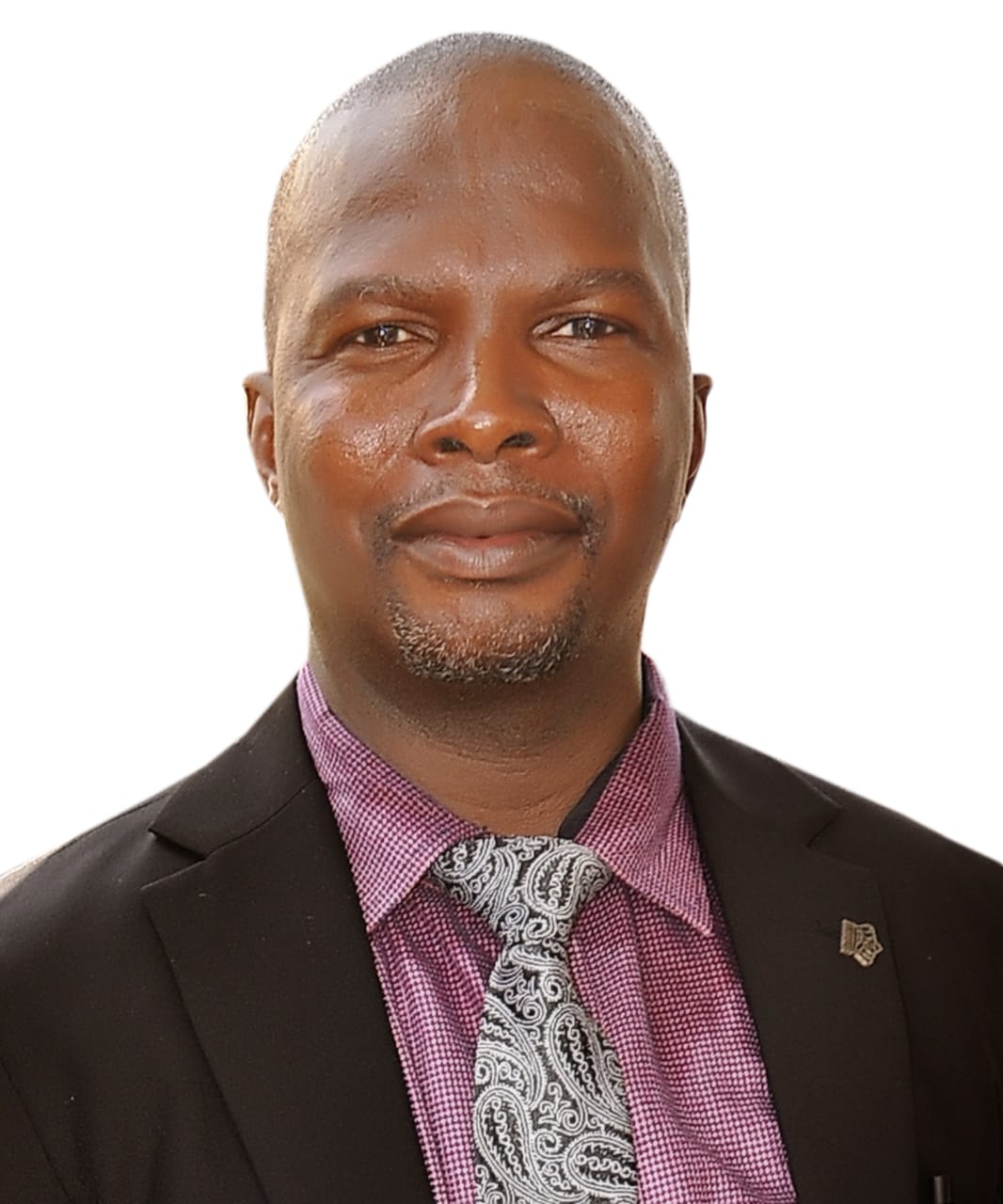
Hon. Justice Evaratus Paul
(Customary Court Of Appeal Judge)
A judge interprets and applies the law, ensuring fair treatment and due process in court proceedings. They weigh evidence, hear arguments, and render impartial decisions based on legal principles. Judges uphold the rule of law, protect individual rights, and administer justice within the legal system.
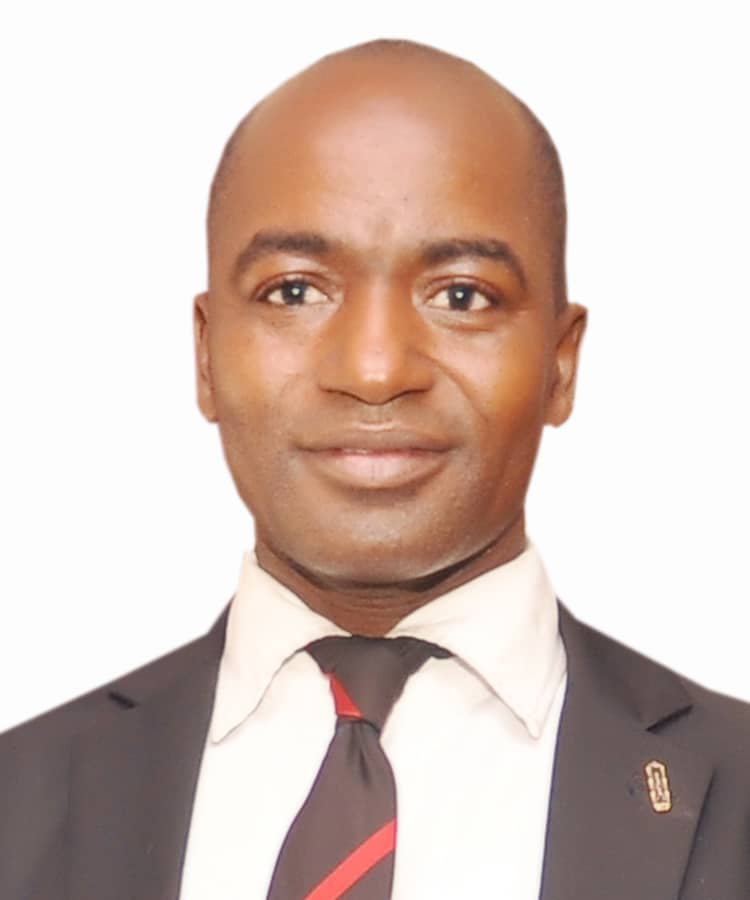
Hon. Justice Adabala Nicholas
(Customary Court Of Appeal Judge)
A judge interprets and applies the law, ensuring fair treatment and due process in court proceedings. They weigh evidence, hear arguments, and render impartial decisions based on legal principles. Judges uphold the rule of law, protect individual rights, and administer justice within the legal system.

Hon. Christy Mbale
(Secretary Judiciary Service Commission Yola Adamawa State)
A judge interprets and applies the law, ensuring fair treatment and due process in court proceedings. They weigh evidence, hear arguments, and render impartial decisions based on legal principles. Judges uphold the rule of law, protect individual rights, and administer justice within the legal system.
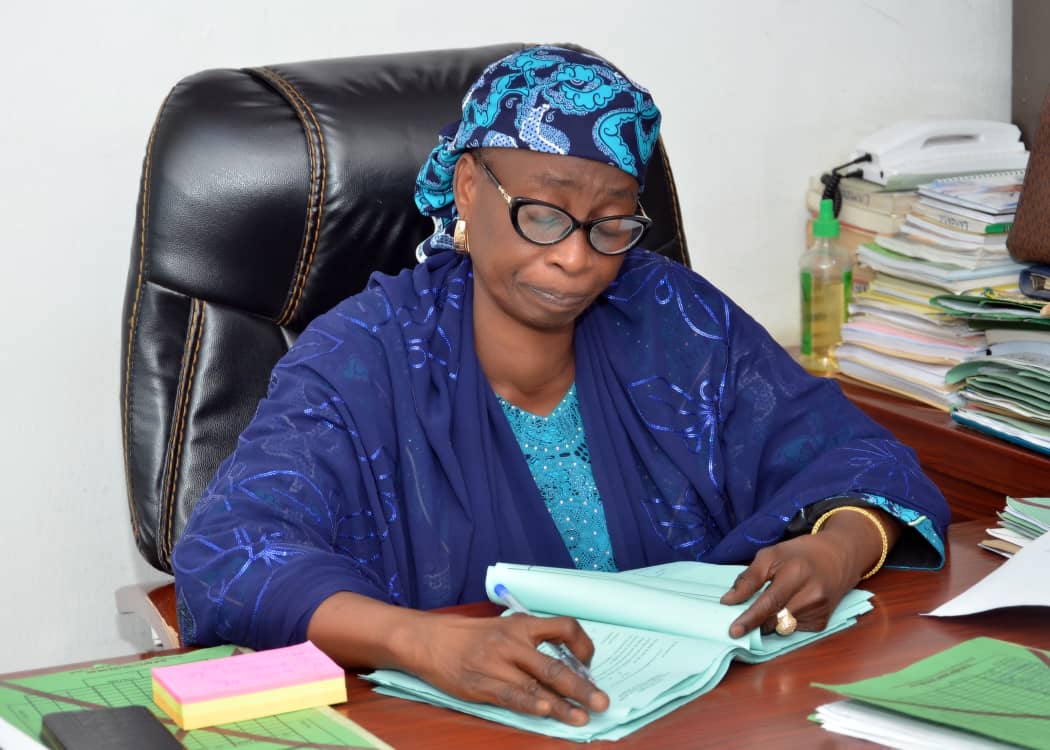
Hon. Hindatu Waziri Lamorde
(Chief Registrar High Court)
A judge interprets and applies the law, ensuring fair treatment and due process in court proceedings. They weigh evidence, hear arguments, and render impartial decisions based on legal principles. Judges uphold the rule of law, protect individual rights, and administer justice within the legal system.
Hon. Abubakar Ishaku
(Chief Registrar Sharia Court Of Appeal)
A judge interprets and applies the law, ensuring fair treatment and due process in court proceedings. They weigh evidence, hear arguments, and render impartial decisions based on legal principles. Judges uphold the rule of law, protect individual rights, and administer justice within the legal system.
Hon. Elshama Dimas Gwama
(Chief Registrar Customary Court Of Appeal)
A judge interprets and applies the law, ensuring fair treatment and due process in court proceedings. They weigh evidence, hear arguments, and render impartial decisions based on legal principles. Judges uphold the rule of law, protect individual rights, and administer justice within the legal system.
Hon. Muhammed Ali
(DCR Sharia Court Of Appeal)
A judge interprets and applies the law, ensuring fair treatment and due process in court proceedings. They weigh evidence, hear arguments, and render impartial decisions based on legal principles. Judges uphold the rule of law, protect individual rights, and administer justice within the legal system.

Hon. Awamen Medan Fwa
(DCR Customary Court Of Appeal)
A judge interprets and applies the law, ensuring fair treatment and due process in court proceedings. They weigh evidence, hear arguments, and render impartial decisions based on legal principles. Judges uphold the rule of law, protect individual rights, and administer justice within the legal system.
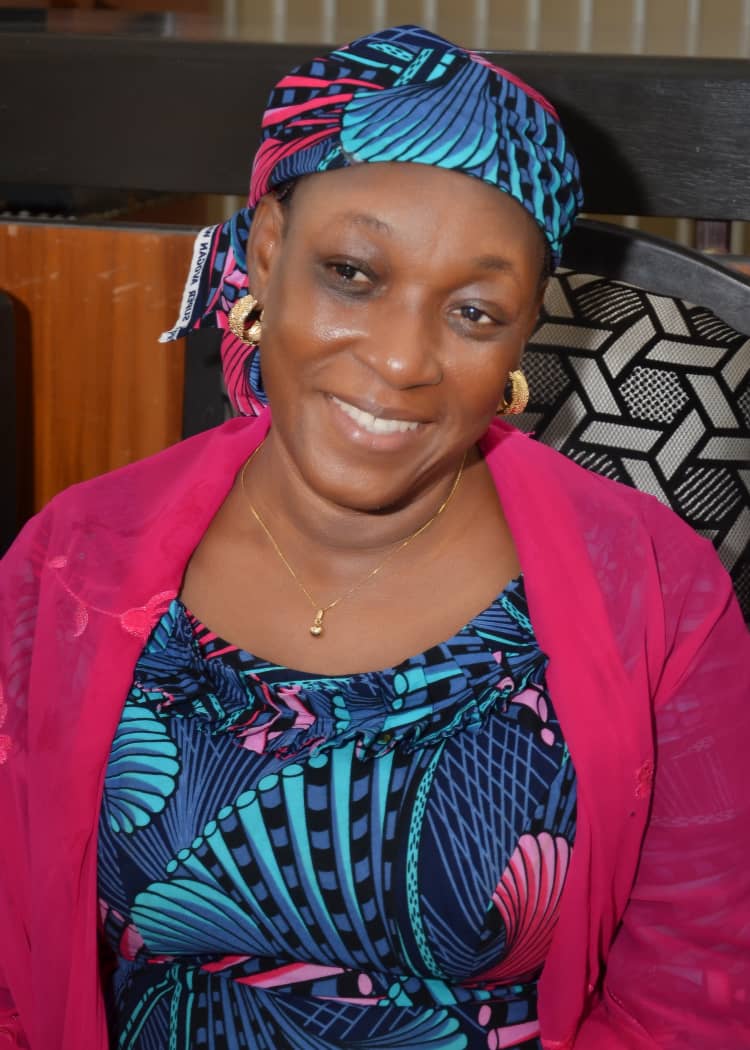
Hon. Helen Samuel
(DCR Litigation High Court)
A judge interprets and applies the law, ensuring fair treatment and due process in court proceedings. They weigh evidence, hear arguments, and render impartial decisions based on legal principles. Judges uphold the rule of law, protect individual rights, and administer justice within the legal system.
Hon. Umar Isa
(DCR Area Court)
A judge interprets and applies the law, ensuring fair treatment and due process in court proceedings. They weigh evidence, hear arguments, and render impartial decisions based on legal principles. Judges uphold the rule of law, protect individual rights, and administer justice within the legal system.
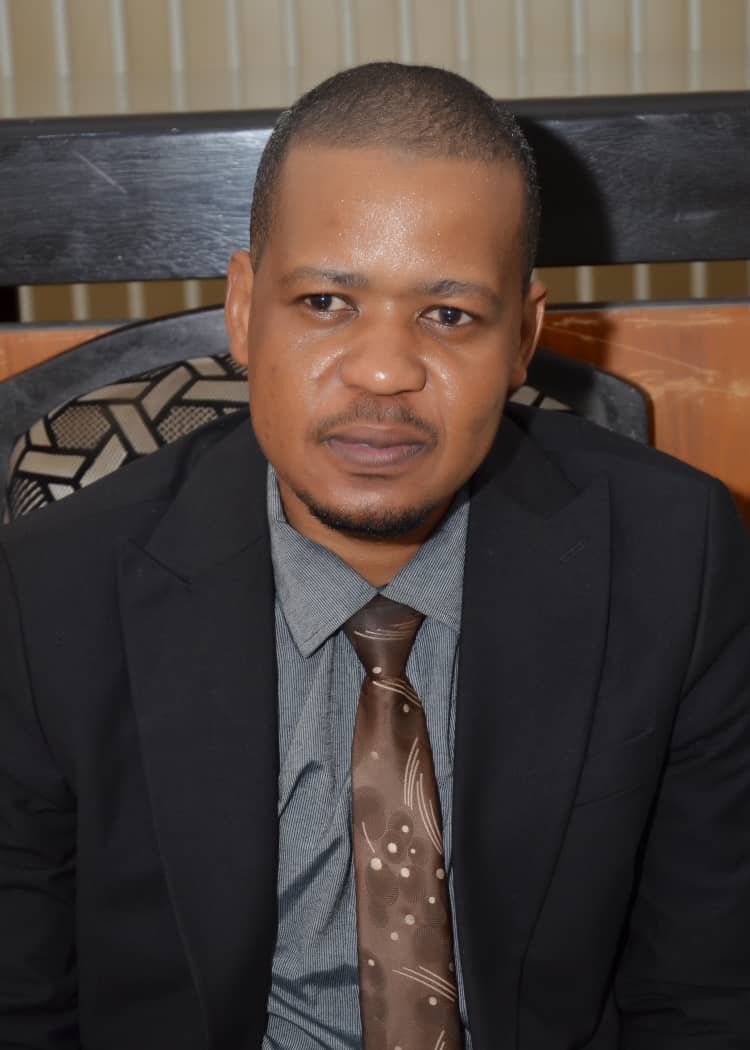
Hon. Daniel JOHN
(DCR Personnel Management High Court)
A judge interprets and applies the law, ensuring fair treatment and due process in court proceedings. They weigh evidence, hear arguments, and render impartial decisions based on legal principles. Judges uphold the rule of law, protect individual rights, and administer justice within the legal system.
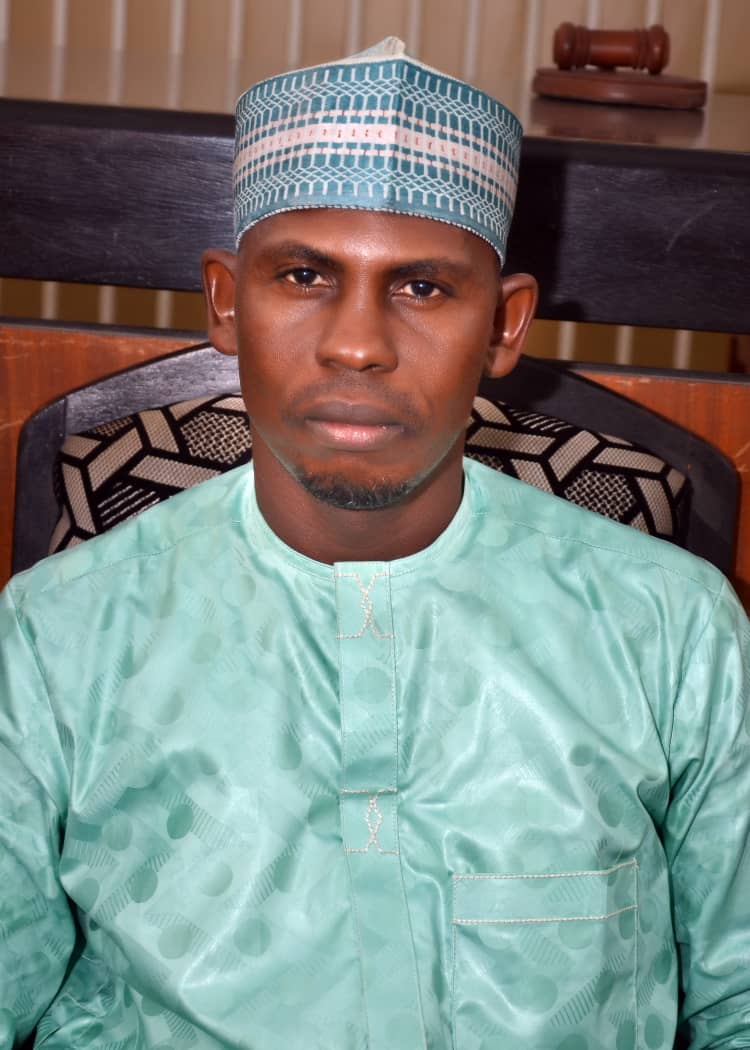
Aliyu Bello Isa
(DCR Probate High Court)
A judge interprets and applies the law, ensuring fair treatment and due process in court proceedings. They weigh evidence, hear arguments, and render impartial decisions based on legal principles. Judges uphold the rule of law, protect individual rights, and administer justice within the legal system.
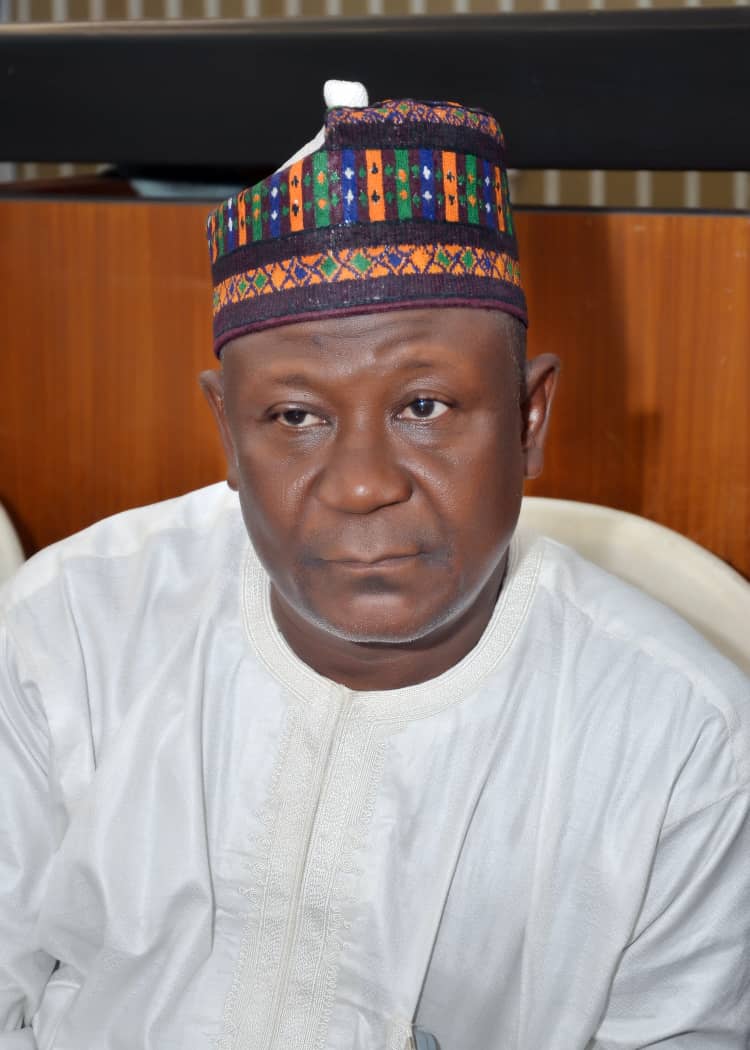
Hon. Abba BA Inna
(DCR Procurement High Court)
A judge interprets and applies the law, ensuring fair treatment and due process in court proceedings. They weigh evidence, hear arguments, and render impartial decisions based on legal principles. Judges uphold the rule of law, protect individual rights, and administer justice within the legal system.
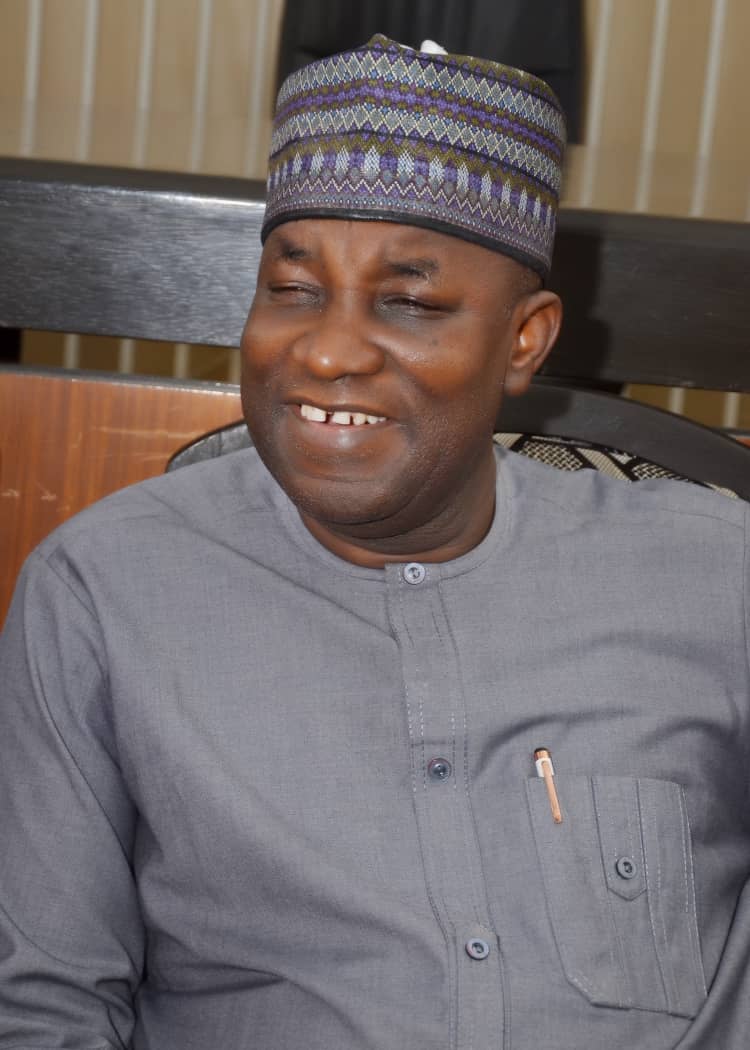
Buba Mohammed
(DCR Administration/Magistracy)
A judge interprets and applies the law, ensuring fair treatment and due process in court proceedings. They weigh evidence, hear arguments, and render impartial decisions based on legal principles. Judges uphold the rule of law, protect individual rights, and administer justice within the legal system.

Hon. Aisha Tayib
(DCR Litigation Sharia Court Of Appeal)
A judge interprets and applies the law, ensuring fair treatment and due process in court proceedings. They weigh evidence, hear arguments, and render impartial decisions based on legal principles. Judges uphold the rule of law, protect individual rights, and administer justice within the legal system.
Hon. David Benjamin Pembi
(DCR Litigation Customary Court Of Appeal Yola)
A judge interprets and applies the law, ensuring fair treatment and due process in court proceedings. They weigh evidence, hear arguments, and render impartial decisions based on legal principles. Judges uphold the rule of law, protect individual rights, and administer justice within the legal system.
Hon. Jummai Ibrahim
(DCR Library Services High Court Yola)
A judge interprets and applies the law, ensuring fair treatment and due process in court proceedings. They weigh evidence, hear arguments, and render impartial decisions based on legal principles. Judges uphold the rule of law, protect individual rights, and administer justice within the legal system.
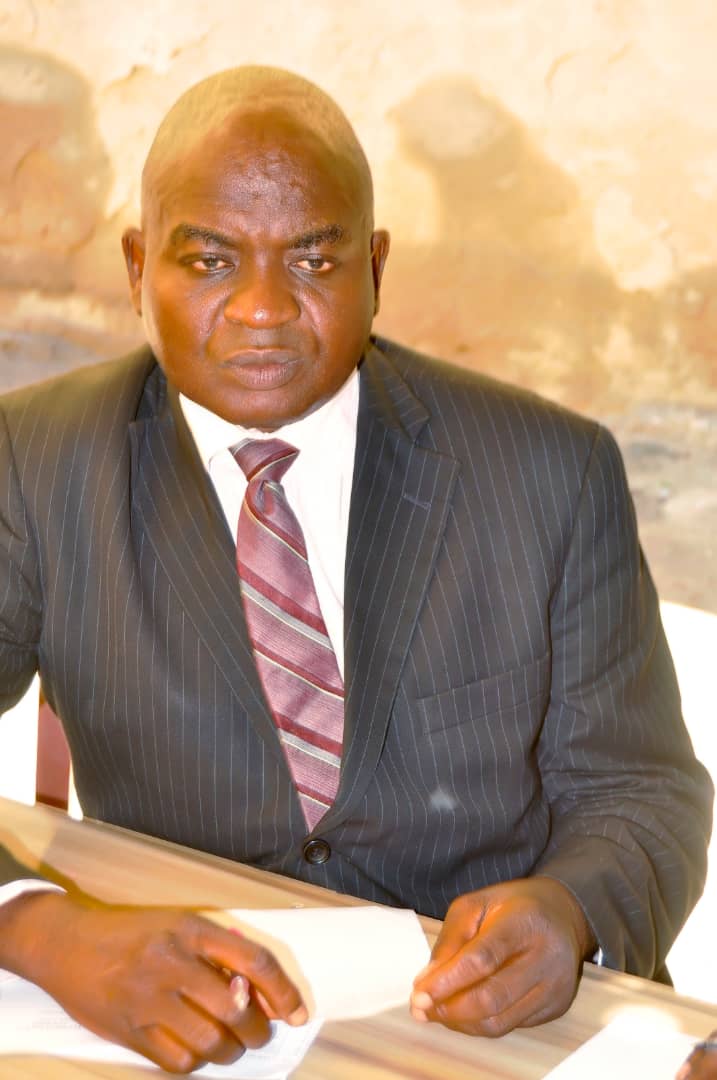
Eric Edward
(Director Finance)
A judge interprets and applies the law, ensuring fair treatment and due process in court proceedings. They weigh evidence, hear arguments, and render impartial decisions based on legal principles. Judges uphold the rule of law, protect individual rights, and administer justice within the legal system.
Hafsat Aliyu
(Director Training Sharia Court Of Appeal)
A judge interprets and applies the law, ensuring fair treatment and due process in court proceedings. They weigh evidence, hear arguments, and render impartial decisions based on legal principles. Judges uphold the rule of law, protect individual rights, and administer justice within the legal system.
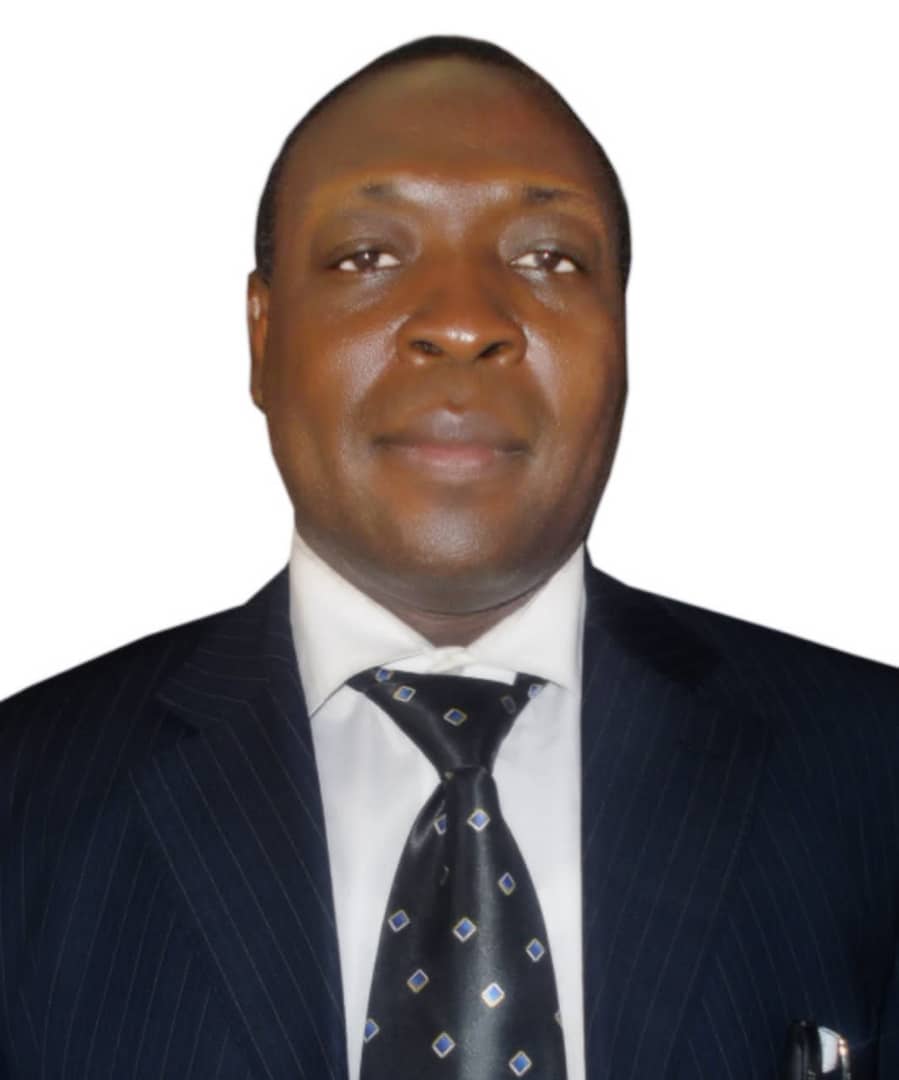
Sunday Kadiri
(Director Information, Special Duties And Protocol)
A judge interprets and applies the law, ensuring fair treatment and due process in court proceedings. They weigh evidence, hear arguments, and render impartial decisions based on legal principles. Judges uphold the rule of law, protect individual rights, and administer justice within the legal system.
Call To Action
For more information or inquiries, please don't hesitate to call us at 08140908024. We're here to assist you and address any questions you may have.
Call To ActionF.A.Q
Frequently Asked Questions
What is Judiciary?
The judiciary refers to the branch of government responsible for interpreting and applying the law in the resolution of disputes. It is tasked with upholding the rule of law, ensuring justice, and safeguarding individual rights. The judiciary includes judges, courts, and other legal institutions that administer justice and adjudicate legal matters according to established laws and legal principles. Its primary role is to interpret laws, settle disputes, and uphold justice impartially within the framework of the legal system.
What is Law?
Law refers to a system of rules and regulations established by a governing authority to regulate behavior within a society. It encompasses statutes, regulations, judicial decisions, and legal principles that govern interactions between individuals, organizations, and governments. Laws serve to maintain order, protect individual rights, resolve disputes, and promote justice and fairness within a society.
What is Fine & Fees?
Fines and fees in court encompass financial penalties levied for violations of laws or regulations. Fines, imposed as punishment for committing a crime or breaking a law, vary in amount based on the severity of the offense and may be mandated by statute or determined by judicial discretion. Meanwhile, court fees cover charges associated with legal processes, such as filing fees and administrative costs, supporting the operation of the judicial system. Both fines and fees serve to deter unlawful behavior, fund court operations, and ensure the fair administration of justice, with provisions often available for individuals facing financial challenges to request waivers or payment arrangements.
Contact
Contact Us
Our Address
Three Arm Complex, Buba Ribadu Way, Yola, Adamawa, Nigeria
Email Us
judiciarysupport@adirs.net
Call Us
+2348036410914
+2348140908024